
Writing Against the Usual Story
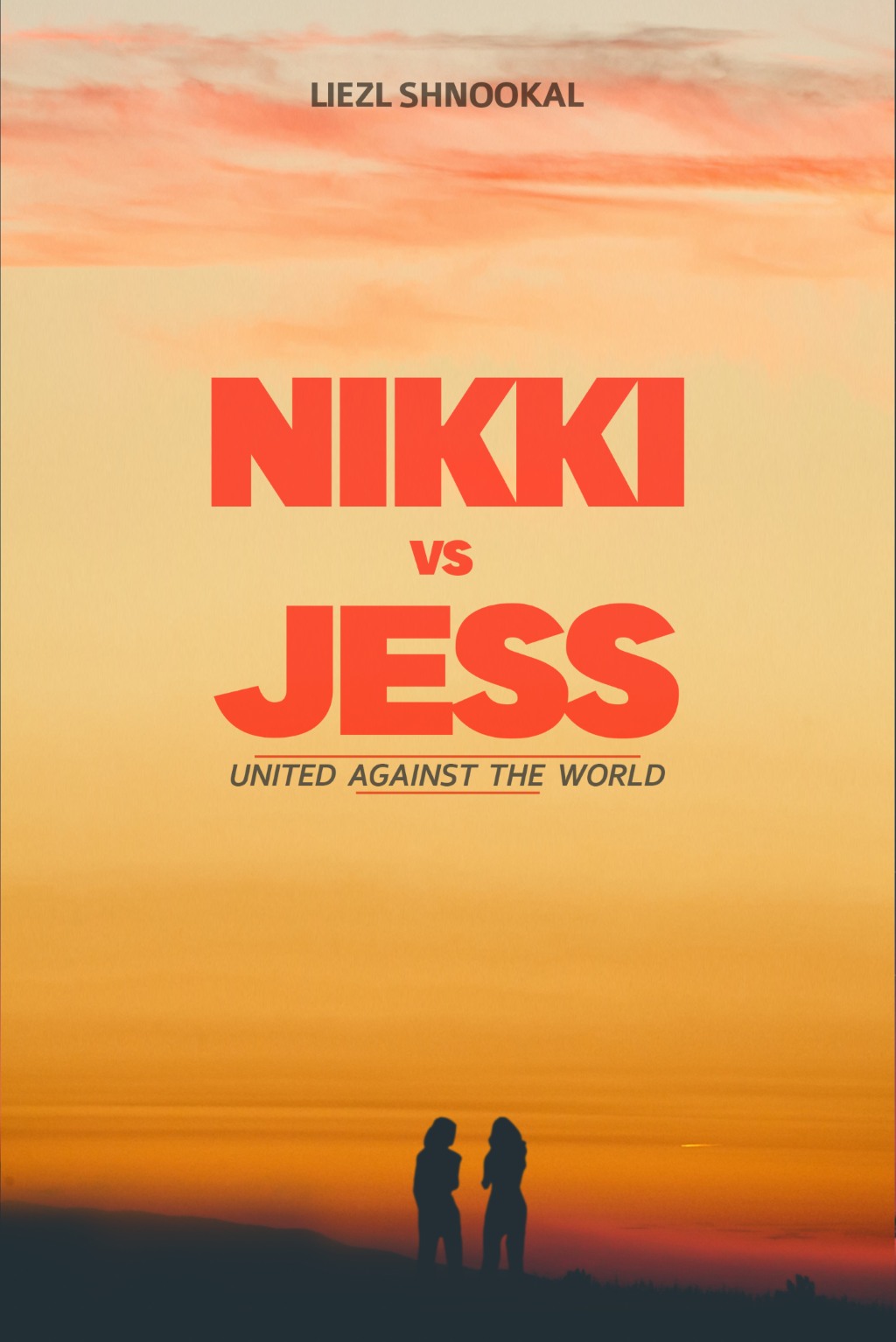
I didn’t write Nikki vs Jess to follow the usual story.
I wrote it to challenge it.
I deliberately refused to describe my two central characters.
Not their looks, not their bodies.
Because the usual story focuses on the appearance of women, and I wanted readers to understand them through what they say, what they do, and who they are.
Even their names – Nikki and Jess – were intentionally gender-neutral.
I chose them to avoid easy labelling and automatic assumptions. To give readers freedom to see them as individuals, not defined by their gender.
I deliberately placed friendship at the centre.
Not romance.
Because so often the story defaults to romance, even though friends are the ones who are there for us long after a crush or fling has passed.
I also questioned the idea of family in Nikki vs Jess.
How much of it is related to biology – or something else entirely?
It’s often assumed that belonging to a family is clear-cut and straightforward. I wanted to challenge that.
I chose to tell the story through two narrators.
Two perspectives side by side, often in conflict.
Because the usual story assumes there is one version of the truth. Life just isn’t that simple.
Even conflict in my book doesn’t follow the usual script.
I wasn’t interested in one person winning and the other losing. I chose to resolve the tension differently.
And while Nikki vs Jess is called a coming-of-age story, I refused to give it a neat ending.
No final arrival. No tidy conclusion.
Because in real life, there is no moment when we transition into adulthood – and stop.
We never stop growing, changing, and learning.
Everything in this book was deliberate – every choice, every scene, every perspective.
I wrote against the stories we’re told.
And I wrote for something different.
If you’ve read Nikki vs Jess and want to share your thoughts, I’d love to hear them on my Facebook page.