
Cuba vs Us
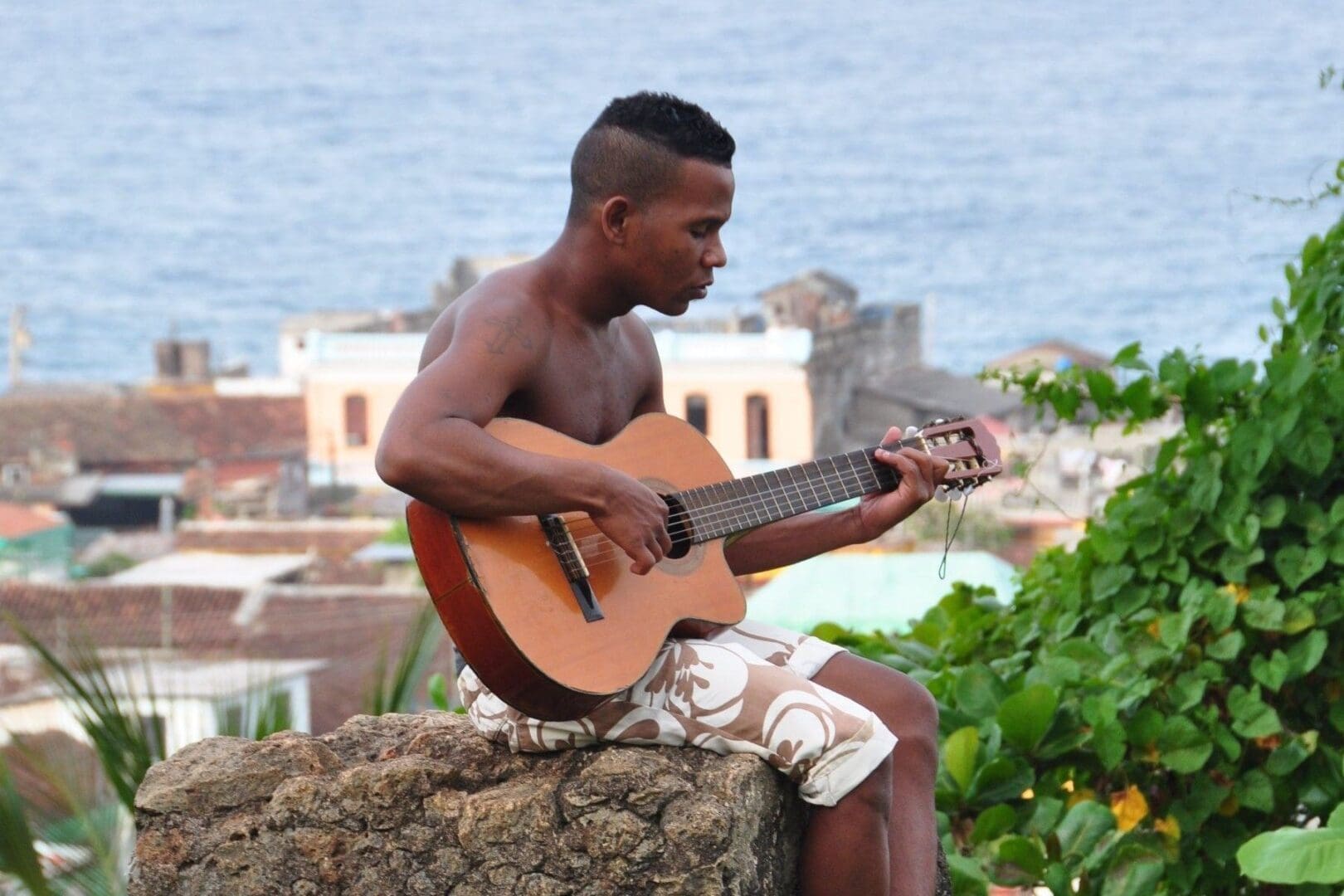
In this crazy mixed-up world of ours, we humanise dogs – watching online videos of talking, clothed pets – and yet we dehumanise immigrants. Foreign-owned companies extract and export our gas for free, while our old people in nursing homes are charged extra for a cup of Moccona coffee. Cuba is labelled a state sponsor of terrorism by the United States – a threat – while the U.S. attacks other sovereign countries for its own economic and political advantage.
And yes, I do think that Cuba is subversive – but not in the way it’s usually understood. In spite of a crippling economic blockade for over sixty years, Cuba has somehow managed to survive. And even more importantly, it continues to operate in a way that challenges the very core of the capitalist system many of us live under.
Let me give you one simple, everyday example.
One April morning in Havana, I paid my fare to Vinales and squeezed into a battered colectivo – an old car operating as a shared taxi. We set off, and after about half an hour, the driver pulled over beside a few other colectivos on a quiet stretch of road. He got out and spoke briefly with the other drivers, and then we were all told to change vehicles.
Passengers were calmly redistributed according to destination, swapping from one car to another as if it had been prearranged. Just as I settled into my new colectivo, I heard a gringo insisting he had already paid his fare. But no one was asking anyone to pay again. In fact, there were several of these informal stops along the way where passengers were reshuffled – always without additional payment.
I never did understand how the drivers divided the money up between them, but it was clear that they had a system. Unlike what we gringos are used to, it wasn’t based on rigid ownership of cars, fares, or trips. It was handled collectively – through conversation, trust, and a shared sense of mutual benefit.
A system of cooperation, not competition. A completely different ideology in practice.
In Cuba I didn’t see a single gun. Or a homeless person. Or a beggar. There was no need for security guards to protect the haves from the have-nots. A poor country, to be sure, but one not determined by oligarchs. In Vinales I joined a rally to celebrate May Day, where the whole community turned out to march. No-one was arrested, or killed.
This is a country with very different priorities to ours. Education is free, from preschool through to university. Healthcare too is free for everyone, and is regarded as among the best in the world. Cuba even exports doctors to other countries.
Today, in this crazy mixed-up world of ours, I like to think of Cuba. I look around and see imploding capitalist countries everywhere, and shake my head. I hope that Cuba can manage to survive.
——-
Photojournal version at Bush Telegraph XPress
Further reading: Operation Pedro Pan by Dr Deborah Shnookal
#Cuba #LiezlShnookal #PoliticalWriting #CreativeNonfiction #Storytelling